800,000 Chinese went on study tour abroad 今夏80万国人海外游学
▲
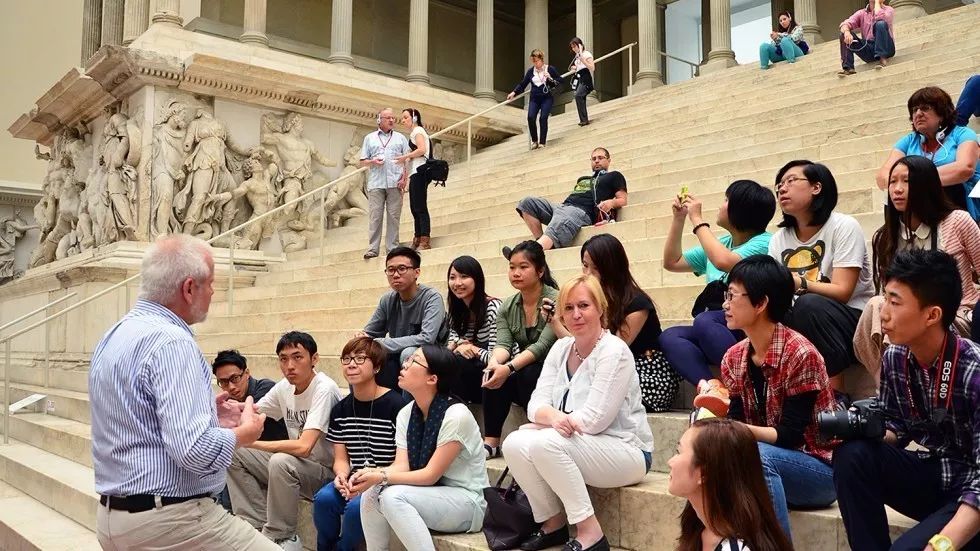
Well-off Chinese families are increasingly willing to send their children out on study tours. Roughly 800,000 Chinese went on a study tour abroad during the summer vacation, China's biggest online travel agency Ctrip reports.
Their spending is expected to reach 20 billion yuan.
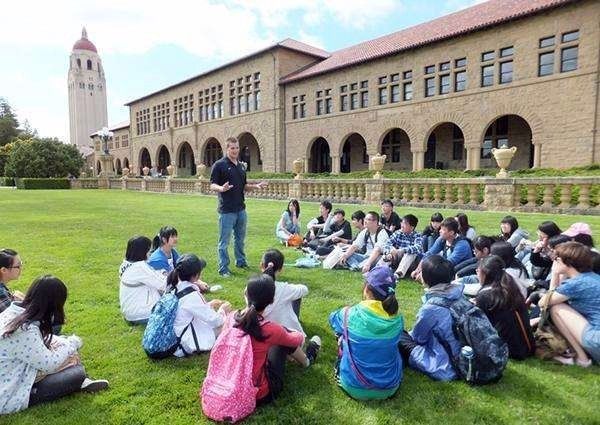
Overseas study tour bookings through Ctrip alone grew 70 percent year-on-year, with per capita spending at 26,000 yuan.
International programs are the most popular, attracting 40 percent of those who booked study tours abroad, while themed camping, international competitions and charity events were also on the radar for Chinese families, according to the travel agency.

The United States, the United Kingdom, Australia, Singapore and Canada are the top outbound study tour destinations.
The big cluster of famous universities made the US the first choice for the Chinese, and the pound depreciation helped the UK become a black horse in the summer study tour market, with the number of visitors doubling.
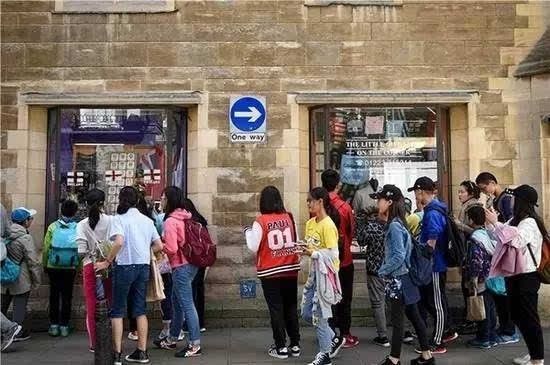
Oxford and Cambridge topped the list of popular UK sites.
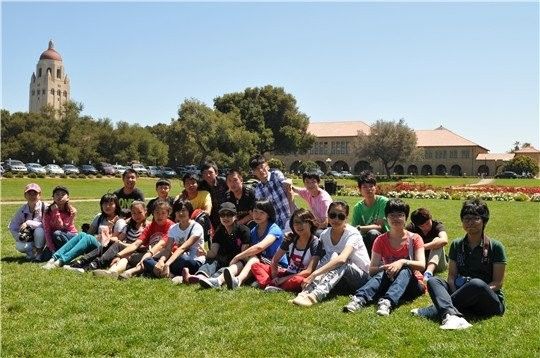
Meanwhile, the domestic market witnessed twice the growth seen in the overseas market, with per capita spending at 4,000 yuan.
Destinations offering deserts, prairies, culture, nature, science, sports and art are among the most sought after.
"Parents choose study tours in the hope of toughening their children," says Zhang Jie, an official with Ctrip's study tour business.
"Some even want their children to experience tough environments," Zhang adds.
Children under 12 accounted for 44 percent of the study tour travelers, while those in middle school made up 35 percent.
A desire to give their children a head start is among the reasons behind the study tour craze, says Zhang.
One of Ctrip's study tours traversing the Tengger Desert attracted nearly 400 customers, parents and their children aged from 5-13.
The six-day trip featured hiking, tent-making, camel riding, desert biology and cliff painting and was immediately booked up, says Zhang.
The Inner Mongolia autonomous region, the Ningxia Hui autonomous region, Guizhou, Gansu, Qinghai, the Xinjiang Uygur autonomous region, Hainan, Shanghai, Beijing and Shenzhen in Guangdong province were most favored.
Residents from first-tier cities, such as Beijing, Shanghai and Guangzhou are a major force in the market.
Safety and tour arrangements are the top concerns of parents, and many study tours keep parents posted about what their children are doing through social media.
今夏80万国人海外游学
根据携程发布的“2017年我国城市家庭亲子游学报告”显示,游学越来越在我国城市中高收入家庭中普及,相比前几年的走马观花,“体验式游学”成为新潮流。
报告称,今年暑期报名携程海外游学的人数增长达到70%,人均花费25000元。而国内游学的增长是出境的2倍,人均花费在4000元,报告估计,今年全国夏季海外游学市场规模达到80万人次,支出200亿元。
从售卖城市的分布看,上海、北京、广州、深圳、成都、杭州、南京、贵阳、武汉、重庆是报名参加游学人数最多的城市。一线城市排名靠前,这跟当地城市的消费能力水平以及家长对于游学夏令营产品的消费意识紧密相关。
从携程的订单看,国内游学的热门目的地前十名是:内蒙古、宁夏、贵州、甘肃、青海、新疆、海南、上海、北京、深圳。从年龄看,主要集中在8-15岁。分为孩子独立参团和家长带孩子参团两种。
携程旅游发布的报告称:海外游学市场有“三高”——高人气、高增长、高消费。从消费者预订今年暑期游学产品的数据来看,海外游学增长达到70%以上,人均消费2.6万元。中产家庭是海外游学的绝对主力。
携程旅游还发布了前十大海外游学目的地国家和地区,分别是:美国、英国、澳大利亚、新加坡、加拿大、新西兰、泰国、中国香港、日本、菲律宾。名校云集,游学产业成熟的欧美发达国家依然是国人首选。
怎么样的海外游学项目更受中国家长们青睐?数据显示,家长在选择海外游学产品时,越来越注重学习和体验:国际课堂、全镇插班产品最受欢迎,分别占比40%、20%。前几年占到游学市场半壁江山的名校探访则持续缩水,占比18%。最近两年携程游学引进的营地类产品,例如童子军、YMCA、Campfire报名增长超过150%,另外对于背景提升会有较大帮助的国际赛事活动,有专业公益组织参与的慈善公益类产品,也成为中国家庭的新目标。
此外,在年龄段上,游学呈现低龄化趋势。携程游学暑期订单的统计,3-6岁的学龄前儿童占了13%,7-12岁小学生占31%,加起来占比达到44%。比例最高的还是初中阶段,占了35%。不想让孩子输在起跑线上、以及来自社交网络、朋友圈子的攀比压力都是促使游学低龄化的原因。
Previous Articles You Could Read: